



Dealing With Substance Abuse

Home

We help you to get rid of SUBSTANCE ABUSE AND ADDICTION

With over 10 years of experience helping to find comprehensive solutions.

About Dealing With Substance Abuse

We offer a full range of Dealing With Substance Abuse Service.

Blandit praesent luptatum zzril delenit augue duis dolore te feugait.Blandit praesent luptatum zzril delenit augue duis dolore te feugait.Blandit praesent luptatum zzril delenit augue duis dolore te feugait.Blandit praesent luptatum zzril delenit augue duis dolore te feugait.Blandit praesent luptatum zzril delenit augue duis dolore te feugait.

Blandit praesent luptatum zzril delenit augue duis dolore te feugait.Blandit praesent luptatum zzril delenit augue duis dolore te feugait.

How we can help

Get Support

Get immediate support

Leverage agile frameworks to provide a robust synopsis for high level overviews.

Find a professional

Leverage agile frameworks to provide a robust synopsis for high level overviews.

National help lines and websites

Leverage agile frameworks to provide a robust synopsis for high level overviews.

Symptoms of PSTD

Ut convallis, magna sed dapibus tincidunt, nulla lacus sollicitudin nisi, id commodo

Consult Expert

Ut convallis, magna sed dapibus tincidunt, nulla lacus sollicitudin nisi, id commodo

Routine Consultation

Ut convallis, magna sed dapibus tincidunt, nulla lacus sollicitudin nisi, id commodo

Combat PTSD

Ut convallis, magna sed dapibus tincidunt, nulla lacus sollicitudin nisi, id commodo

Patient Recovered
0 +
Patient Attended
0 +
Ongoing Treatment
0 +
Unsolved problems
0 +

We Are The Best Consulting Company Ever!!

LATEST ARTICLES

Physical activities

Physical activities

Physical activity, either every day’s usual activities, or some planned (targeted) activity in every individual improves both physical and mental...
Read More →

Our Experts

Martin Grigg

Managing Director

Dr. Natalie Flatt

General Manager

Terese Schuts

General Manager
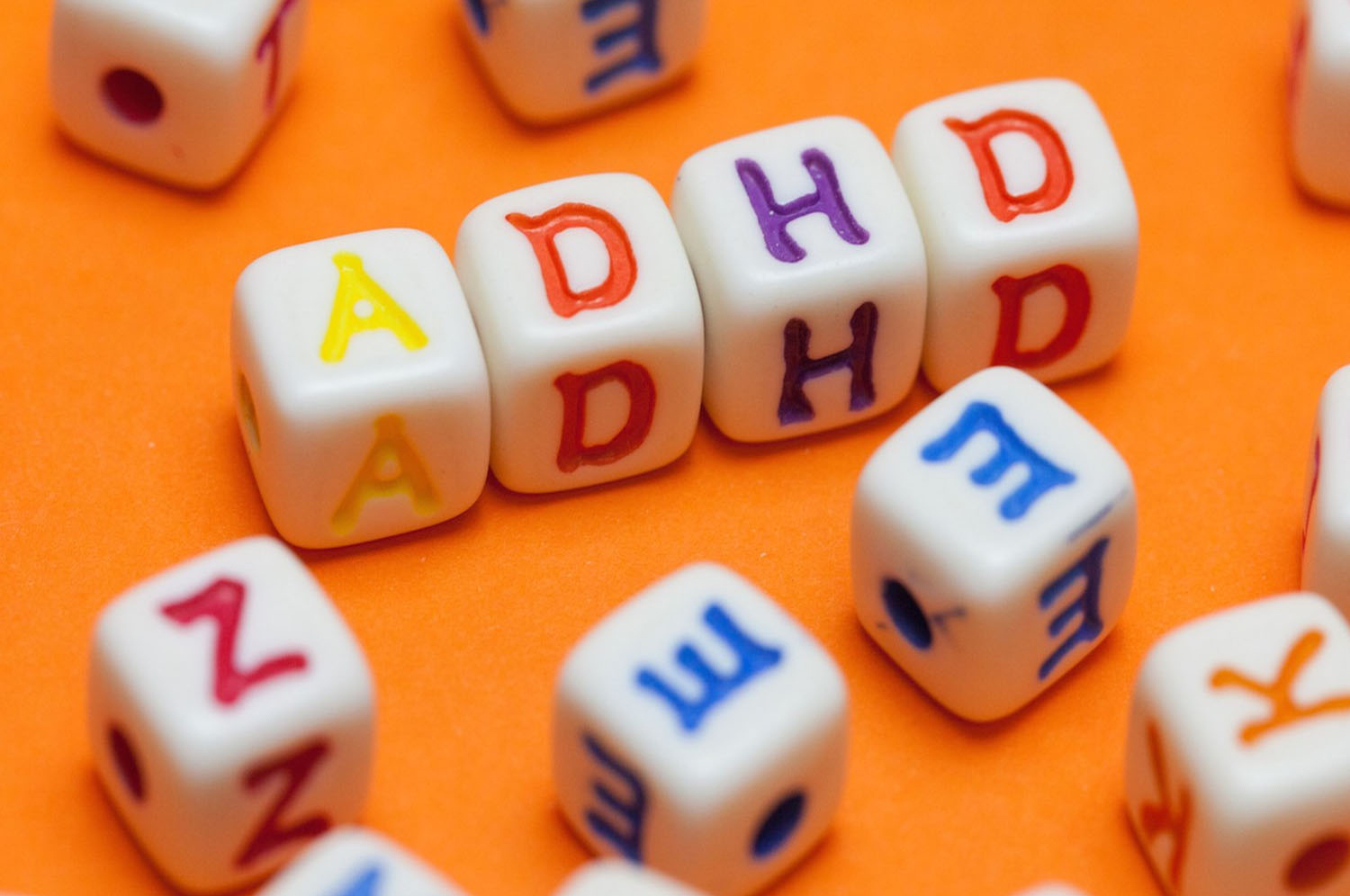
Expert Q & A: Bipolar Disorder

What can family members do to support a person with bipolar disorder?
Outcomes are always better when there is a strong family support network. Think of bipolar disorder as any other severe medical condition. However, also note that in many severe psychiatric conditions, patients may not be aware that they are ill. They may minimize the severity of their condition. The result of these factors may be that patients will not follow through on their treatment. In very severe cases, there may be instances of a lack of behavioral control where family members may not be able to look after their loved ones. In those cases, assistance from providers or even law enforcement agents may be necessary.
It is possible for children to have bipolar disorder. This mental illness occurs in approximately 1 to 3 percent of the general population, and studies have shown that bipolar disorder has a genetic component. However it is also possible for bipolar disorder to appear in someone who has no family history of the disease.

The term mixed episode was changed to mixed features in the last edition of the Diagnostic and Statistical Manual (DSM-5) published by the American Psychiatric Association in 2013. The new term may apply to either episodes of mania with additional symptoms of depression or the opposite, episodes of depression with additional symptoms of mania. The overall idea is that the presence of both mania and depression can exist at the same time. Symptoms of mania include elated mood, decreased need to sleep or racing thoughts. Symptoms of depression can include depressed mood, and feelings of hopelessness or worthlessness.

Although it is possible that during the natural course of the illness individual patients may get well without any medication, the challenge is that it is impossible to identify or determine beforehand who those fortunate patients are. Although some patients dont get well or just have partial response to the best available treatments, on average and for the vast majority of patients the benefits of medications outweigh the risks.

Not necessarily. Studies have shown that approximately 10 percent of patients have a single episode only. However, the majority of patients have more than one. The number of episodes within a patients lifetime varies. Some individuals may have only two or three within their lifetime while others may have the same number within a single year. Frequency of episodes depends on many factors including the natural course of the condition as well as on appropriate treatment. Not taking medication or taking it incorrectly are frequent causes of episode recurrence.
It depends. Mood shift frequency varies from person to person. A small number of patients may have many episodes within one day, shifting from mania (an episode where a person is very high-spirited or irritable) to depression. This has been described as ultra-rapid cycling.
Scroll to Top